 Contact
 Access
 Japanese
 Search




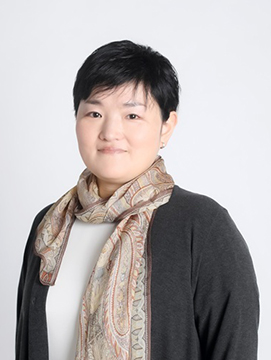
Professor, International CentreGlobal

Professor Rie SUZUKI
Education
2009 Ph.D. in Sociology, University of Essex, United Kingdom
1999 M.A. in Comparative Culture, Division of Comparative Culture, Graduate School, International Christian University, Japan
1997 B.A. in Languages, Department of Languages, College of Culture and Communication, Tokyo Woman's Christian University, Japan
Professional experiences
2025.9 - to date Professor, International Centre, Gakushuin University, Japan
2025 - to date Part-time Lecturer, Faculty of Law, Keio University, Japan
2024 - 2025 Visiting Scholar, Faculty of Letters, Keio University, Japan
2018 - 2024 Project Assistant Professor, International Center, Keio University, Japan
2010 - 2018 Associate Lecturer, Seikei Institute for International Studies, Seikei University, Japan
2009 - 2011 Visiting Scholar, Part-time Research Assistant to the Director and the Deputy Director, DIJ Tokyo (German Institute for Japanese Studies), Japan
2006 - 2008 Graduate Teaching Assistant, Department of Sociology, University of Essex, U.K.
2004 - 2005 Part-time Research Assistant, Department of Sociology, University of Essex, U.K
Contact information
Research fields
Sociolinguistics, Conversation Analysis, Cross-cultural Communication, English Language Education, Intercultural Collaborative Learning
Major publications
Hayashi, C. and Suzuki, R. (2017). Kaigaigogakuryūgaku ga motarasu kōka no jizokusei - Gakusei no gengoteki jyōiteki sokumen ni mirareru henka [A Study on the Lasting Effects of a Short-Term Study Abroad Programme on Students' English Proficiency and Affective Variables]. KATE Journal, 31, 15-28.
Suzuki, R. and Hayashi, C. (2014). Kaigaigogakuryūgaku no kōka - Gakusei no gengoteki jyōiteki sokumen ni mirareru henka [The Effects of Short-term Study Abroad Programmes on Students' English Proficiency and Affective Variables]. KATE Journal, 28, 83-96.
Suzuki, R. (2012). Telop to onsei jyōhō no zure - NHK news bangumi de no interview hatsuwa no bāi [What does TV Telop cover? - An analysis of interview talks on an NHK news programme.] Faculty of Humanities Society, Seikei University (Ed.) Oto to Eizō: Jyugyō gakusyū gendaisyakai ni okeru technology no arikata to sono yakuwari [Sound and Vision: Technology and its roles in teaching, learning and contemporary society]. Seikei daigaku jinbun sōsyo 9, Kazama Shobō, 181-221.
Suzuki, R. (2009). 'Assessment Sequences in Japanese Conversation: Relationality and the expanded notion of self'. Doctoral Thesis, University of Essex.
Message to students
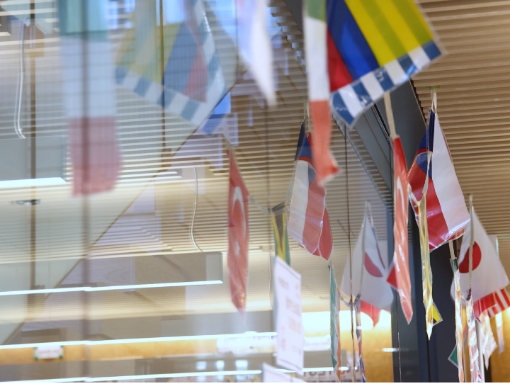
Meeting people with different ways of thinking and feeling can give you fresh perspectives and help you reflect on your own values. Intercultural exchange is not only about encountering new cultures, but also about rediscovering your own culture and yourself - things often taken for granted in daily life.
So why not take this chance to learn with people who have diverse perspectives and experiences, getting to know and understand each other, while also gaining a deeper understanding of yourself and further enriching your values? I hope to provide opportunities for intercultural collaborative learning through classes and short study-abroad programs, and to support you in developing your intercultural competence and communication skills in intercultural contexts.